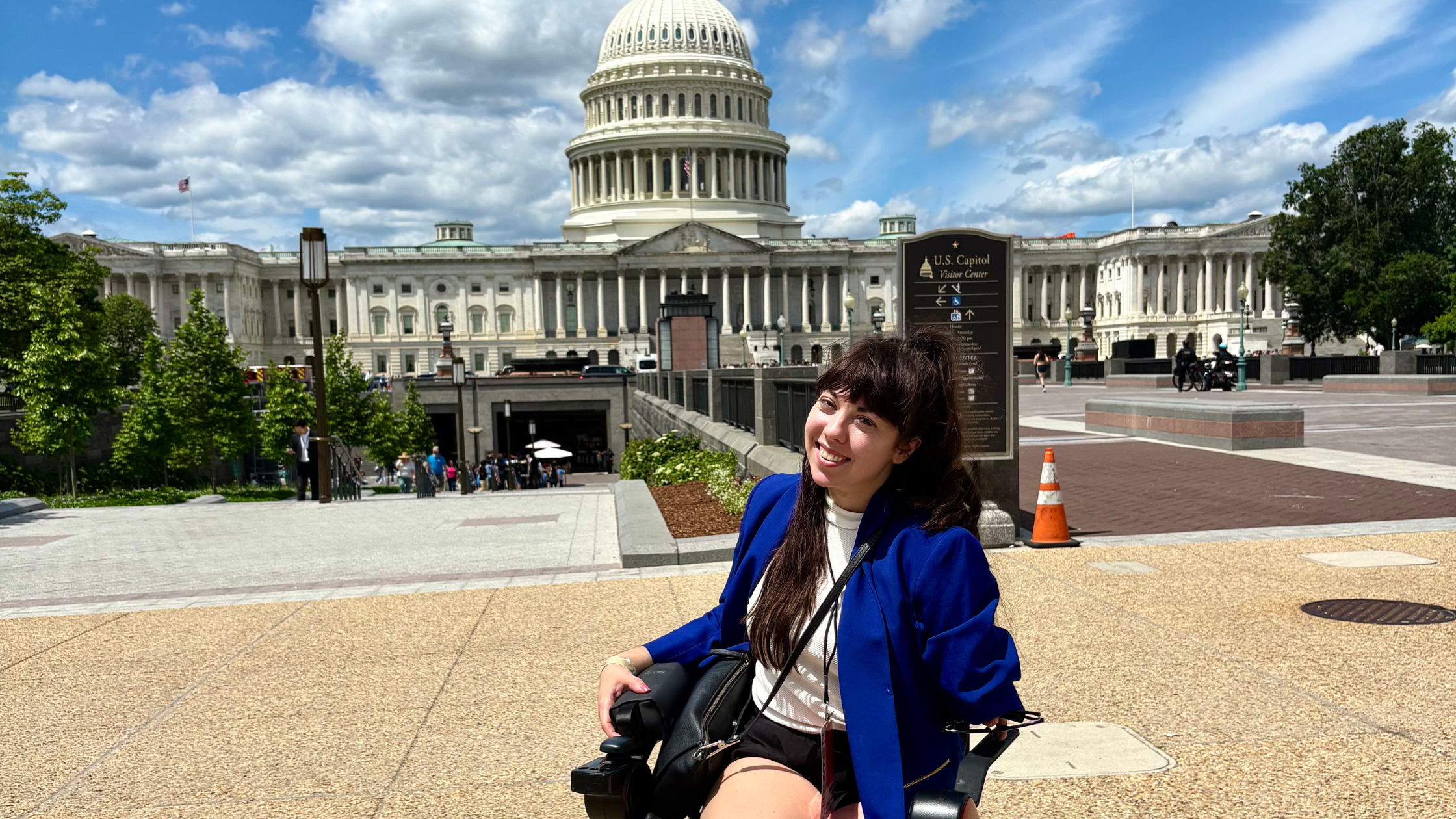
Access Denied: Why the Department of Energy’s Accessibility Rollback Should Scare You
I wasn’t planning to write this post today
But I stumbled across this Instagram video, and my jaw dropped. It talks about the U.S. Department of Energy’s (DOE) recent move to strip back vital disability rights protections, specifically weakening Section 504 of the Rehabilitation Act.
And the wildest part? Almost no one is talking about it.
As a disabled creator who has built a life and career navigating inaccessible systems, this hits hard. We’ve fought for decades to get even the bare minimum of accessibility in public buildings, schools, and federally funded spaces. Now, behind closed doors and without major public outcry, the DOE is trying to roll it back.
So let’s break down what’s going on, why it matters, and what we can do about it.
Wait, what is Section 504?
Section 504 of the Rehabilitation Act of 1973 is one of the most foundational disability civil rights laws in the U.S. It prohibits discrimination based on disability in any program or activity that receives federal funding, including public schools, universities, transportation, and housing.
It’s the reason wheelchair ramps exist in public buildings, why I (and so many others) can request accommodations in education or employment, and it laid the groundwork for the Americans with Disabilities Act (ADA) that followed.
So what’s the TEA with the DOE?
On May 16, 2025, DOE published two direct final rules that would rescind parts of its Section 504 regulations (10 CFR Part 1040). DOE first delayed their effective date to September 12, and has now further delayed them to December 9–10, 2025 while it considers significant adverse comments.
Essentially, they’re attempting to remove or revise key accessibility requirements that impact how disabled people can access energy assistance programs and participate in decisions about energy infrastructure.
2025 READS
Here is a list of everything I’ve read so far this year!

This move is part of a broader deregulatory trend that claims to “streamline” compliance—but in reality, it makes life harder for marginalized communities. Especially disabled folks.
According to early reports, the proposed change would limit accountability measures for federally funded programs and may allow providers to bypass certain accessibility standards under the guise of flexibility.
Why this matters (and why I’m mad about it)
When you remove protections, real people suffer.
Disabled people already face higher energy costs due to medical devices, accessible housing needs, and climate vulnerability. Now imagine those same people being locked out of resources or being excluded from the planning process entirely, all because the DOE decided equity was too inconvenient.
This isn’t just about one government agency. It’s part of a larger erosion of disability rights happening across industries, often quietly and without widespread coverage.
What can you do?
- 📢 Email DOE (Office of the General Counsel), urging full withdrawal of the rules (contact listed in the delay notice). Federal Register Public Inspection
- ✍️ Share this blog post or the Instagram Reel that inspired it
- 📞 Contact your representatives and demand they push back against disability rollbacks
- 🧠 Educate your communities about Section 504 and why it still matters
- 🫶 Support disability-led orgs like the Disability Rights Education & Defense Fund (DREDF)
Sources & further reading
- Federal Register: DOE Proposed Rule on Disability Non-Discrimination
- DREDF Statement on Section 504 Rollbacks
Final thoughts
Whether it’s music, fashion, healthcare, or federal energy policy, I’ll keep using this platform to spill the #AccessibiliTEA. This blog was created to make sure stories like this don’t get swept under the rug. Because when the systems don’t serve us, we make noise.
Here’s to keeping them on their toes ☕️